
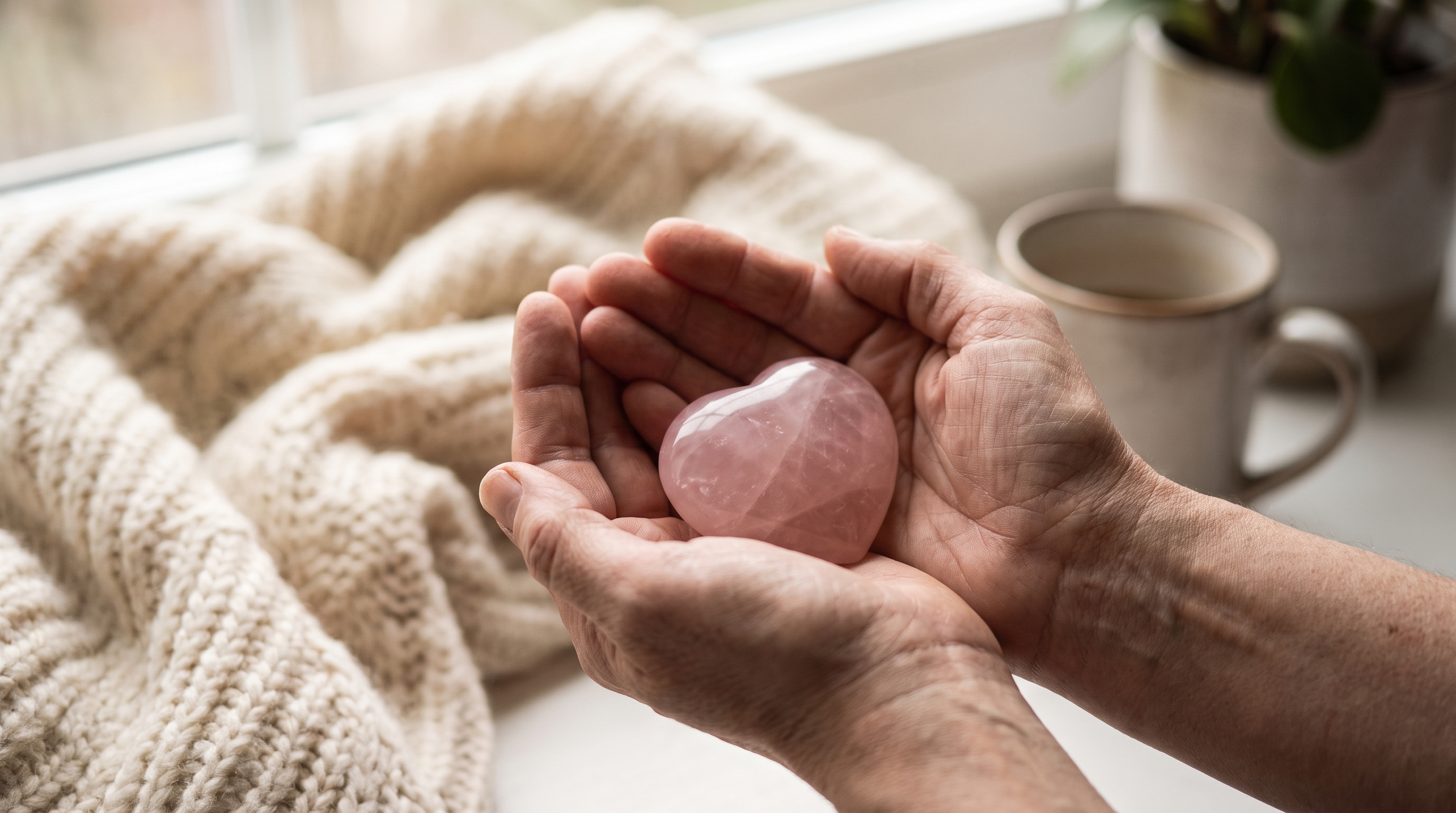
Grief and heartbreak rarely follow a tidy timeline, and there is no single right way to move through either one. If you have found yourself reaching for a piece of rose quartz during a hard season, whether that is the end of a relationship, the loss of someone you love, or simply a period where your heart feels heavier than usual, you are following a tradition that goes back a long way.
This guide is a gentle one. It covers why rose quartz is traditionally reached for during loss specifically, some low-pressure ways to bring it into a hard day, and an honest note on when a crystal is a lovely companion to lean on, and when it is time to also reach for more support.
Why Rose Quartz Is Traditionally Reached for During Grief or Heartbreak
Rose quartz's long standing connection to the heart chakra and to unconditional love is exactly why it shows up so often during loss. Grief and heartbreak both ask something specific of the heart, to stay open even while it hurts, rather than closing off entirely. Traditionally, rose quartz is not believed to remove that pain or rush you past it. Instead, it is used as a steady, gentle companion while you feel it, a reminder that softness toward yourself is allowed even now.
This is also why rose quartz differs slightly in use here compared with the self-love ritual covered in our earlier post. That guide is about a consistent daily practice for ongoing self-compassion. This one is about something you reach for in a specific hard moment, whenever that moment happens to land.
Gentle Ways to Use Rose Quartz While You're Healing
- Keep it by your bed. A piece on your nightstand means it is there first thing in the morning and last thing at night, often the two hardest points in a day of grief or heartbreak, without asking anything of you.
- Hold it during a hard moment. When a wave of sadness or memory hits, holding a piece in a closed hand and breathing slowly is a small, physical way to stay with the feeling rather than fighting it.
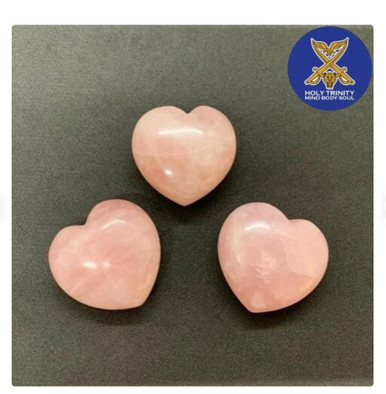
- Wear it or carry it close to your heart. A piece kept in a shirt pocket or held to the chest is a traditional way to keep that heart-centred comfort with you through a difficult day, at work, at a funeral, or simply out in the world when you would rather be alone.
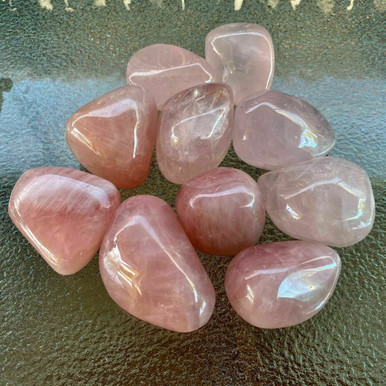
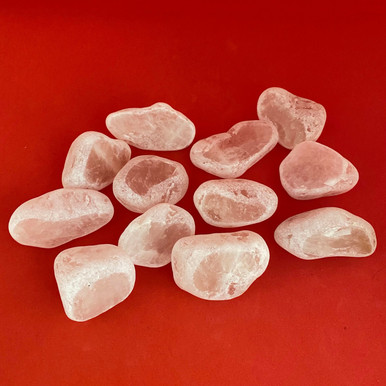
- Carry a smaller piece in a pocket or bag. For grief that catches you unexpectedly, in the car, at the shops, somewhere away from home, a Tumbled Stone small enough to carry means something steady is always within reach.
- Let it sit somewhere you grieve. If you have a specific place you go to think of someone, a bench, a garden, a photo on a shelf, placing a piece there is a quiet way to mark that space as one where gentleness is welcome.
Pieces for Holding and Carrying

A Word on Timing: Let Yourself Heal at Your Own Pace
There is no schedule for grief or heartbreak, and no correct number of weeks or months after which you should feel better. Some days a piece of rose quartz sitting quietly on your nightstand is all you need. Other days you might reach for it constantly, or not want to look at it at all, and both are completely normal. Traditionally, rose quartz is understood as a companion for wherever you actually are, not a tool for getting somewhere faster.
These are traditional and spiritual associations rather than medical claims. Rose quartz is not a substitute for professional health advice.
When to Reach for More Than a Crystal
A piece of rose quartz can be a genuine comfort, a small, steady object that gives your hands something to hold and your mind a moment to soften. It is not, and is not meant to be, a substitute for real support. If grief or heartbreak is sitting heavily on you for a long stretch of time, affecting your sleep, your relationships or your ability to get through your day, please also reach out to a GP, a grief counsellor, or a mental health professional. Organisations like Lifeline (13 11 14) and Griefline (1300 845 745) are there in Australia any time you need to talk to someone, and reaching out is a sign of strength, not a failure of self-care.
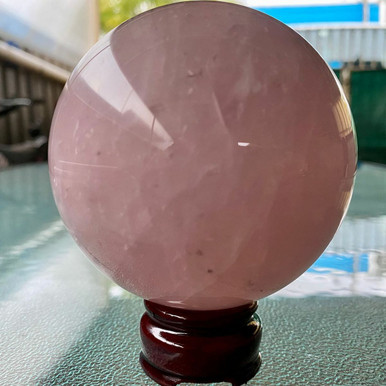
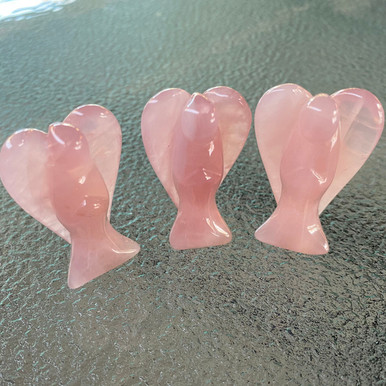
Quiet, Reflective Pieces
Gentle companions for a slower, quieter kind of healing.
Want to see the whole genuine range?
Discover the Full Rose Quartz CollectionYou can browse every piece mentioned here on our Rose Quartz crystal collection page. Once you are ready to build a steadier daily practice, our earlier post, Rose Quartz for Self-Love: A Simple Daily Ritual, is a gentle next step. If you would like to check a piece is genuine before you buy, see Is Your Rose Quartz Real?, and to understand more about the heart chakra connection behind everything in this guide, see Rose Quartz Chakra and Zodiac Guide: Heart, Venus, Taurus and Libra.
Frequently Asked Questions
Is rose quartz good for heartbreak? Traditionally, yes. Rose quartz is closely tied to the heart chakra and unconditional love, and many people find comfort in holding or keeping a piece nearby during a breakup or a period of loss, as a gentle reminder to stay open hearted rather than shut down.
What crystal is best for grief? Rose quartz is one of the most commonly reached for crystals during grief, thanks to its heart chakra and self-compassion associations. It is best understood as a comforting companion alongside real support, not a treatment for grief itself.
How do I use rose quartz for emotional healing? Keep it somewhere you will see or touch it often, a nightstand, a pocket, or held during a hard moment. There is no set ritual required, simply having it nearby and returning to it when you need a moment of gentleness is enough.
Can a crystal really help with grief? Many people find genuine comfort in the ritual of holding or keeping a meaningful object close during a hard time, and rose quartz's traditional associations make it a popular choice for this. It works alongside, not instead of, real emotional support such as friends, family, or a professional.
When should I seek more support than a crystal? If grief or heartbreak is affecting your sleep, your relationships, or your ability to get through daily life over an extended period, please reach out to a GP, grief counsellor, or a service like Lifeline (13 11 14) or Griefline (1300 845 745). Support is always available, and asking for it is a strength.
