
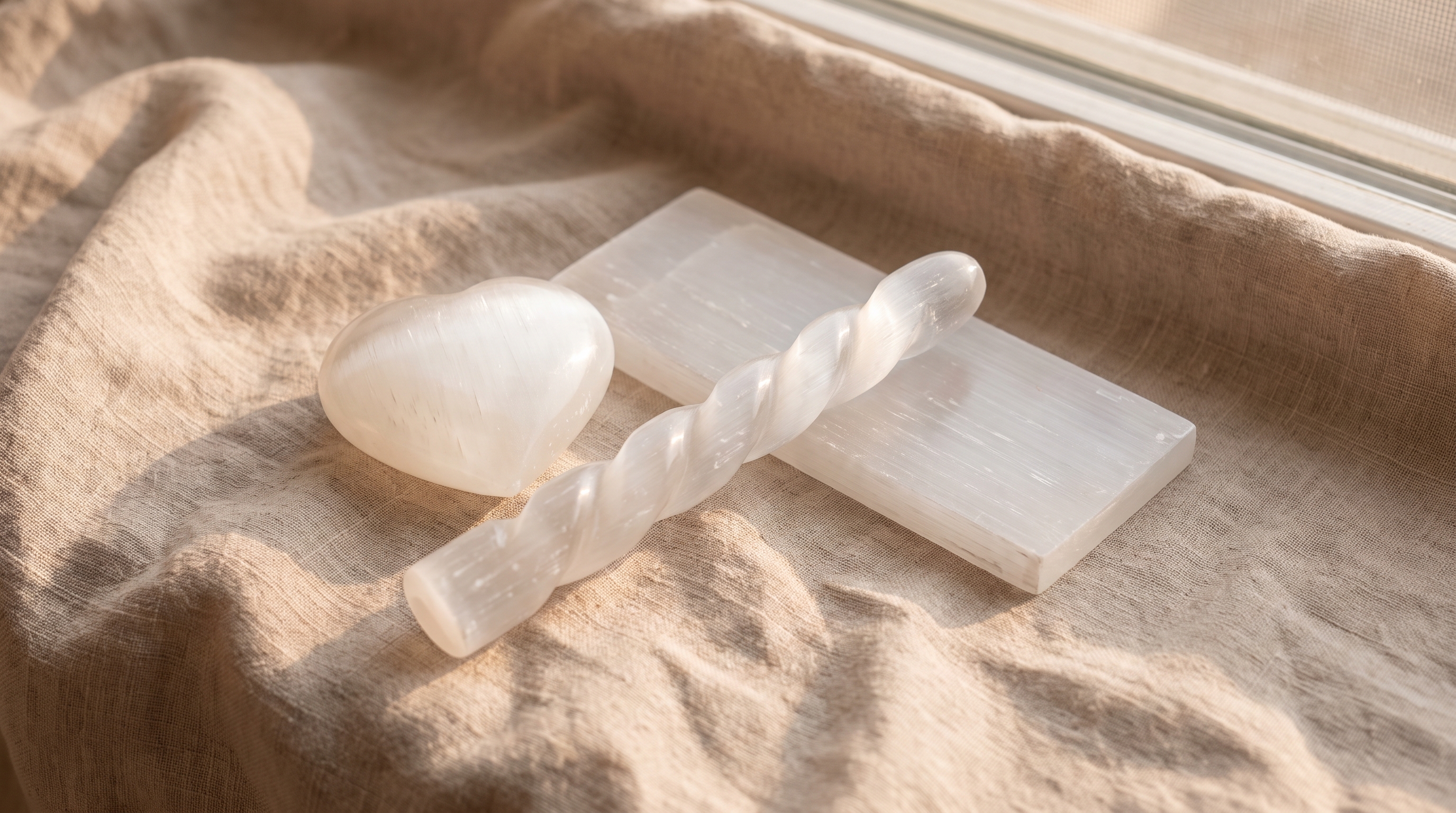
If you have gone looking for answers about your selenite, you have probably landed on the same question from two different directions. Some people want to know if the smooth white crystal on their nightstand is actually selenite at all. Others have read somewhere that most "selenite" for sale is technically something called satin spar, and now they are wondering if they have been sold the wrong thing entirely.
The good news is that both questions have simple, honest answers. This guide walks through what true selenite and satin spar actually are, why the difference rarely changes how you use your crystal but does change how you care for it, whether selenite is safe to handle and whether it can touch water, and a short checklist you can run at home to check a piece is genuine.
What Is True Selenite, and What Is Satin Spar?
Selenite and satin spar are both varieties of the same mineral, gypsum, which is one of the softer, more common minerals found in the earth's crust. Where they differ is in how they grow.
- True selenite is the clear, glassy, transparent variety of gypsum. It forms in flat, sheet like blades or plates you can almost see through, and it takes its name from Selene, the Greek goddess of the moon, for the way it catches and reflects light.
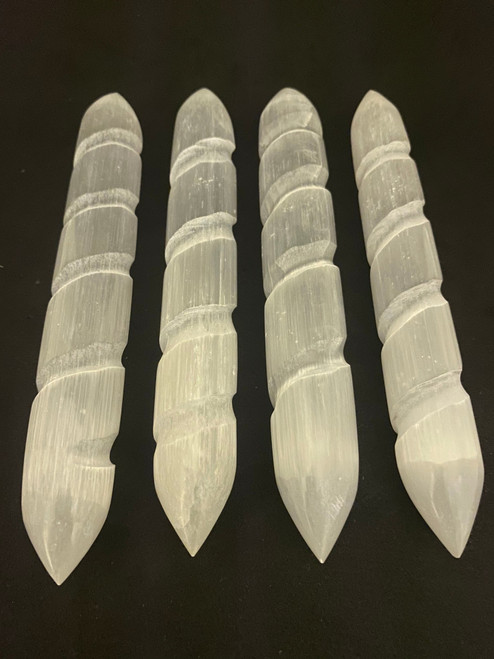
- Satin spar is the fibrous, silky white variety of the same mineral. It grows in tightly packed parallel fibres rather than flat sheets, which is what gives it that soft, almost pearly sheen running through the stone.
Here is the part almost no seller explains: fibrous satin spar is what can actually be carved into wands, hearts, towers and plates. Transparent selenite's flat, sheet like structure does not hold up well to shaping. So the wands, hearts and charging plates sold as "selenite" almost everywhere in the world, including several of the shapes carried on this site, are technically satin spar gypsum rather than the transparent selenite variety in the strict mineralogical sense.
This is not a Holy Trinity specific issue, and it is not a case of being sold the wrong thing. "Selenite" has simply become the everyday name the entire crystal industry uses for both varieties, in the same way "quartz" gets used loosely for several related stones. Knowing the distinction just means you now understand your crystal better than most sellers explain it.
Why the Distinction Rarely Matters for Your Practice, But Does Matter for Care
Because true selenite and satin spar are the same mineral, calcium sulfate dihydrate, every tradition, use and property associated with selenite, energy cleansing, crown chakra work, clearing stagnant energy from a space, applies equally whichever variety you are holding. There is nothing "lesser" about a satin spar piece compared to a transparent one, and nothing to worry about if a shape you already own turns out to be satin spar rather than true selenite.
Where it does matter is in appearance and handling. A satin spar wand or heart will show that soft, fibrous, silky sheen rather than true glass like clarity, and its fibrous structure can be slightly more prone to flaking or fraying along the grain than a solid, sheet like piece. Both varieties share gypsum's defining weakness, which is that they are soft and dissolve in water, covered in full below.
Shop Genuine Selenite Pieces


Is Selenite Toxic, and Can It Touch Water? The Safety Questions Answered Plainly
These two questions come up constantly, and they deserve straight answers rather than vague reassurance.
Is selenite toxic? No. Selenite and satin spar are both gypsum, calcium sulfate dihydrate, the same mineral used to make plasterboard and blackboard chalk. Handling a polished piece, wearing it, or keeping it in your home carries no known toxicity risk. As with any small decorative stone, keep pieces away from young children and pets who might put one in their mouth, simply because it is a small object, not because the mineral itself is harmful. The one genuine caution in the wider gypsum world is breathing in fine dust created when raw stone is cut or ground, which is a concern for lapidary workers handling rough material, not for anyone displaying or holding a finished, polished piece at home.
Can selenite go in water? Only briefly. Gypsum is water soluble, which means prolonged contact with water will soften, cloud or flake a genuine piece over time. A quick wipe with a barely damp cloth is fine, but avoid soaking, submerging or leaving your selenite somewhere consistently damp, such as a steamy bathroom windowsill or outdoors in the rain. The upside of this softness is that selenite never needs to be cleansed of other energies the way many crystals do, which is exactly why it is used to cleanse and recharge other stones instead.
Your Selenite Authenticity Checklist
You do not need a laboratory to check whether a piece of selenite is genuine. Gypsum's defining feature is that it is remarkably soft, softer than almost anything else sold as a crystal, and that single fact makes it one of the easiest stones in the world to verify at home.
- The fingernail scratch test. Genuine selenite and satin spar sit at 2 on the Mohs hardness scale, which is softer than a fingernail. Press a fingernail firmly into an inconspicuous edge and you should be able to leave a faint mark. Glass, resin and plastic imitations are all considerably harder and will not scratch this way.
- Warms slowly in the hand. A genuine piece feels cool at first touch, then warms gradually as you hold it. Glass and plastic imitations tend to feel cold and warm up quickly and unevenly.
- Natural imperfections, not flawless clarity. Look for the soft, fibrous, silky sheen typical of satin spar, or fine natural inclusions and slight cloudiness in transparent selenite. A piece that looks perfectly clear with no character at all, or shows an unnaturally saturated colour, is worth a second look, since natural selenite and satin spar are usually white, cream or very pale, never vividly coloured.
- Realistic, modest pricing. Selenite and satin spar are abundant and inexpensive to source. A small piece priced like a rare gemstone is a reasonable reason to ask questions, and so, oddly, is a large carved piece priced far too cheaply to reflect the labour of shaping it.
- Named sourcing. Does the seller say where the piece comes from? Genuine selenite sold at Holy Trinity is ethically sourced from Morocco, a well established, well regarded source for this crystal.
Explore More Genuine Selenite Shapes

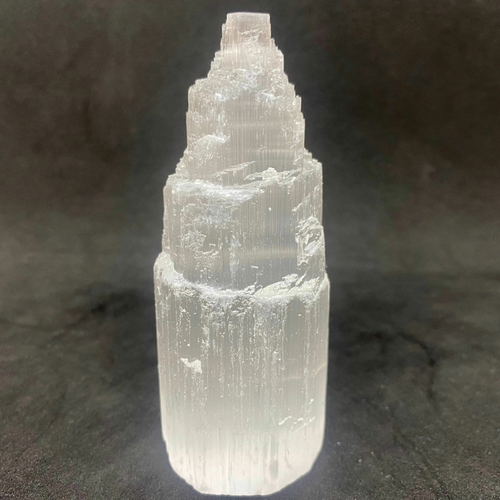
Every piece of selenite carried at Holy Trinity is genuine gypsum, ethically sourced from Morocco and hand checked before it ships, whichever variety it happens to be. You can browse the full range on our Selenite crystal collection page, where our FAQ section also answers quick questions on cleansing, gifting and pairing selenite with your other crystals.
Already confident yours is genuine and want to know more about what it actually does? Our earlier post, Selenite Crystal Meaning, Healing Properties, Uses, And Popular Selenite Products We Carry, covers its origins and traditional healing associations in more depth.
Frequently Asked Questions
Is selenite the same as satin spar? They are the same mineral, gypsum, grown in two different structures. True selenite is the clear, transparent, sheet like variety, while satin spar is the fibrous, silky white variety typically carved into wands, hearts and plates. Most shapes sold as "selenite" worldwide are technically satin spar.
Is selenite the same as gypsum? Yes. Selenite and satin spar are both varieties of gypsum, a naturally occurring mineral called calcium sulfate dihydrate. The names simply describe which crystal habit, or growth structure, the gypsum has formed into.
Is selenite real? Selenite and satin spar are both genuine, naturally occurring minerals, and because they are abundant and inexpensive to source, there is little incentive for anyone to fake them the way rarer gemstones sometimes are. The more common issue in this category is a labelling one, satin spar sold under the everyday name "selenite" without explanation, rather than counterfeit material.
Is selenite toxic? No. Handling, wearing or displaying polished selenite carries no known toxicity risk. The only real caution in the wider gypsum world is inhaling dust from cutting or grinding raw material, which does not apply to a finished piece sitting on your shelf.
Can selenite touch water? Briefly, yes, a quick wipe with a barely damp cloth will not harm it. Avoid soaking, submerging or leaving it somewhere consistently damp, since gypsum is water soluble and will soften or flake with prolonged exposure.
These are practical, physical checks based on general mineralogical information rather than a laboratory analysis. If you are ever unsure about a specific piece, our team is always happy to help before or after you buy.