
Perimenopause has a way of arriving quietly and then demanding your full attention. Energy that used to be reliable becomes patchy. Sleep gets lighter. Some weeks you feel entirely like yourself, and others you don't recognise your own mood or your own body. None of this means anything is wrong with you. It's a natural transition, and a lot of women are looking for gentle, natural additions to support themselves through it.
Shilajit has quietly become part of that conversation, more so overseas than in Australia so far. This guide looks at what actually changes hormonally through perimenopause and menopause, what shilajit's mineral and fulvic acid content is traditionally used for, what the research genuinely says, and a simple daily ritual to try if you'd like to bring it into your own routine.
What Changes Hormonally During Perimenopause and Menopause
Perimenopause is the transitional window before your final period, and it can last anywhere from a couple of years to closer to a decade. Through it, oestrogen and progesterone stop following their usual steady monthly rhythm and instead rise and fall unevenly. That fluctuation is behind many of the changes women notice: disrupted sleep, hot flushes, mood shifts and a dip in day to day energy.
Menopause itself, marked by twelve months without a period, brings oestrogen down to a consistently lower level. One of the less talked about effects of that drop is on bone health. Oestrogen plays a real role in maintaining bone mineral density, which is part of why bone loss tends to accelerate in the years around menopause, and why osteopenia and osteoporosis are more common in postmenopausal women than in the general population.
All of this is a normal, universal part of a woman's life, but normal doesn't mean easy, which is why so many women look for everyday, natural support to sit alongside whatever else they already have in place.
What Shilajit's Minerals and Fulvic Acid Are Traditionally Used For
Shilajit forms over centuries as plant matter mineralises under pressure high in the Himalayas, carrying with it a dense concentration of fulvic acid and trace minerals, often cited at more than 85 different minerals in a single sample.
In Ayurveda, shilajit is classed as a rasayana, a rejuvenative substance traditionally used to support strength, vitality and resilience, particularly through periods of physical change or depletion. Fulvic acid's traditional role alongside those minerals is as a natural carrier, helping the body make better use of the minerals it's paired with, rather than acting as an active ingredient on its own.
It's worth being clear about what this does and doesn't mean. Shilajit isn't a hormone, and it doesn't replace oestrogen or any other hormone your body produces. What it offers is a traditionally used source of minerals and trace nutrients, the kind of nutritional building blocks your body may draw on during a demanding season, not a direct lever on your hormones themselves.
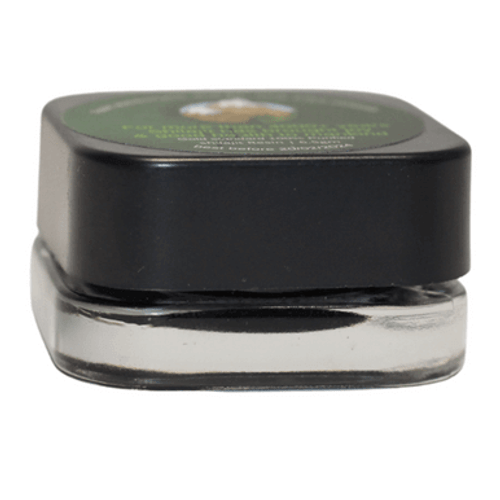
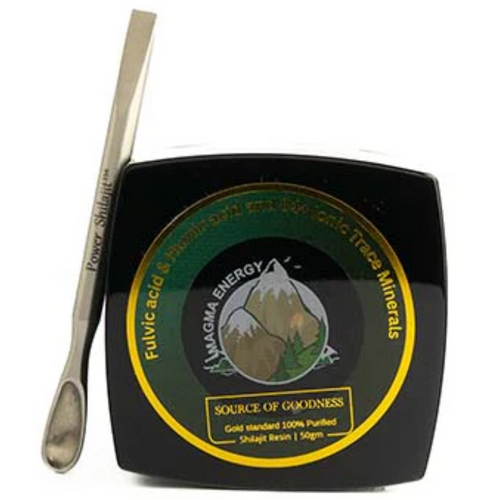
Shop Magma Energy Shilajit Resin

What the Research Says
The research specifically on shilajit and women's hormonal health is still early, but one study is genuinely worth knowing about.
A 2022 randomised, double blind, placebo controlled trial tested a standardised shilajit extract in 60 postmenopausal women with osteopenia, a condition where bone mineral density is lower than normal. Over 48 weeks, women took either a placebo, 250mg or 500mg of the extract daily. The 500mg group showed a greater improvement in bone mineral density than the 250mg group, a dose dependent effect. Markers of bone turnover improved in both supplemented groups compared to placebo, alongside reductions in markers of oxidative stress and inflammation.
The honest summary: this is one trial, using a specific standardised extract rather than raw resin or drops, and it looked at bone density and related markers specifically, not hormone levels, mood or hot flushes. It's a genuinely promising early result and a reasonable part of why shilajit has entered the women's health conversation, but it isn't proof that any shilajit product treats perimenopause or menopause. Treat it as one interesting study to be aware of, not a guarantee, and as always, a supportive addition to consider alongside medical care, not a replacement for it.
A Simple Daily Ritual for This Life Stage
If you'd like to bring shilajit into your routine, simplicity works best, and mornings tend to suit it well.
- Drops in warm water. Our Shilajit Droplets are designed to be added straight to warm water or your morning tea, stirred through, and taken as the first thing in your day, before breakfast.
- Resin, if you prefer a traditional format. A pea sized piece of Magma Energy Shilajit Resin dissolved in warm water is the more traditional way to take it, and some women prefer the ritual of watching it dissolve as a small, grounding moment before the day gets busy.
- Consistency over intensity. Like most traditional wellness practices, shilajit is generally taken as a steady daily habit rather than something reached for only on harder days. Our guide on how to take shilajit drops properly covers dosage and timing in more depth if you'd like the fuller picture.
Shop Magma Energy Shilajit Droplets


A Nod to the Bigger Picture: Supporting Yourself Through This Season
Hormonal change isn't only physical, and shilajit doesn't have to stand alone in your routine. If you're already exploring natural support for this life stage, our guide to hemp seed oil for women's hormonal health looks at a different, complementary angle, omega fatty acids and GLA rather than minerals and fulvic acid, and many women find value in reading both before deciding what fits their own routine.
Some women also pair a daily shilajit ritual with the wider holistic practices that already ground them, whether that's a few quiet minutes of journaling, herbal tea, or keeping a favourite crystal close during a harder week. If that's part of your own practice, our rose quartz collection is worth a browse.
To see the full shilajit range in one place, including resin, droplets and current pricing, visit our Magma Energy brand page. And if you're still deciding whether shilajit is genuinely for you, our Ultimate Guide to Magma Energy Shilajit Resin and our piece on shilajit drops for stress relief and mental clarity are both worth reading alongside this one.
Frequently Asked Questions
Can shilajit help with hormonal balance? Shilajit isn't a hormone and doesn't replace oestrogen or any hormone your body produces. What it offers is a traditionally used source of minerals and fulvic acid, nutrients some early research suggests may support the body during hormonal shifts, particularly bone health. It's a supportive addition to a routine, not a hormonal treatment.
Is shilajit good for perimenopause? Many women use it as part of a broader daily wellness routine through perimenopause for general energy and vitality support, in line with its traditional Ayurvedic use as a rasayana. Direct clinical research on perimenopause symptoms specifically is still limited, so it's best approached as a gentle addition rather than a targeted treatment.
Does shilajit help with menopause in Australia? There's nothing about the Australian context that changes how shilajit works, though it's worth choosing a brand that's transparent about sourcing and lab testing, given how much adulterated shilajit exists globally. Our guide on Magma Energy shilajit covers what to look for.
Is shilajit safe for women going through menopause? Shilajit is generally well tolerated when it's genuinely purified and lab tested. As with any supplement, it's worth checking with your GP first, particularly if you're on medication, managing another health condition, or have any concerns about bone health specifically.
How long before I'd notice anything? Traditional use suggests giving it several weeks of consistent, daily use before drawing any conclusions, rather than expecting an immediate effect.
Health Disclaimer
This article is intended for general information only and does not constitute medical advice. Nothing in this article should be taken as a claim to diagnose, treat, cure or prevent perimenopause, menopause, osteopenia or any other health condition. Everybody's body and health circumstances are different, so please speak with your GP, pharmacist or another qualified health practitioner before starting any new supplement, particularly if you are pregnant, breastfeeding, taking medication or managing an existing health condition, including any concerns around bone health.
