
Shilajit and ashwagandha are, right now, the two most talked about herbs in Ayurvedic wellness, and if you have looked into either one, you have probably wondered about the other. They come up in the same conversations, sit on the same shelves, and are both drawn from the same tradition, so it is a fair question: are they meant to be taken together, or is one simply enough?
The short answer is that they can absolutely be taken together, and traditionally often were, but they are not doing the same job. This guide looks at what each herb actually does on its own, how they are traditionally paired, and a simple way to bring both into your day without overcomplicating it.
What Shilajit Does on Its Own
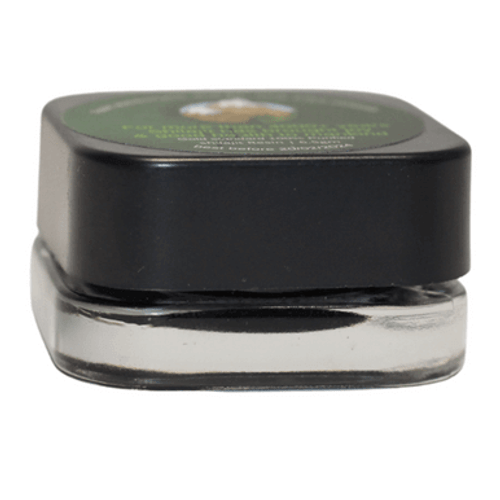
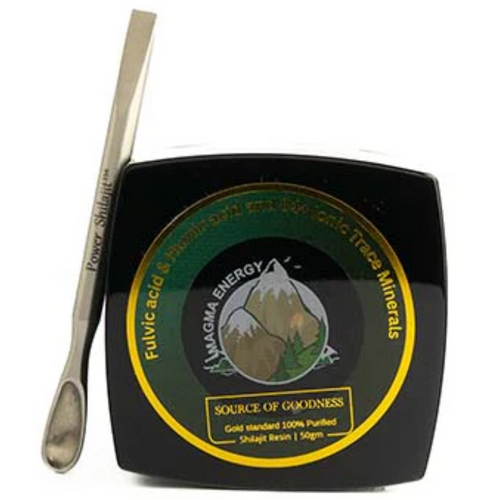
Shilajit is a mineral rich resin that forms over centuries as plant matter mineralises under pressure high in the Himalayas. It is dense in fulvic acid and trace minerals, often cited at more than 85 different minerals in a single sample, and in Ayurveda it is classed as a rasayana, a rejuvenative substance traditionally used to support strength, vitality and resilience over the long term.
Where shilajit tends to shine is as a foundational, mineral rich addition to a daily routine, the kind of steady, building block support rather than something reached for on a single hard day. If you would like the fuller picture on sourcing and purification, our Ultimate Guide to Magma Energy Shilajit Resin covers it in depth.
Shop Magma Energy Shilajit Resin

What Ashwagandha Does on Its Own
Ashwagandha comes from the root of Withania somnifera and holds its own long standing place in Ayurveda, but as a different category of herb. Rather than a mineral rich rasayana, ashwagandha is best known as an adaptogen, a substance traditionally used to help the body adapt to and cope with everyday stress.
Where shilajit builds a foundation, ashwagandha is generally reached for with a more specific purpose in mind, general wellness and stress relief, which is exactly how our own Himalaya Ashwagandha 250mg tablets are positioned. The two herbs sit comfortably side by side because they are not competing for the same job.
How They're Traditionally Combined in Ayurveda
Ayurvedic tonics have rarely relied on a single herb doing everything. It is common practice to pair a rasayana like shilajit with an adaptogen like ashwagandha, on the logic that one supports the body's underlying vitality and mineral needs while the other supports how the body copes with day to day stress and exertion.
Thought of that way, the two are complementary rather than overlapping. Shilajit is the steady, building block foundation. Ashwagandha is the herb that helps the body manage what gets thrown at it day to day. Together, that is a genuinely traditional pairing, not a modern marketing invention.
How to Take Them Together
You do not need a complicated protocol to combine the two. A simple approach many people use is:
- Shilajit in the morning. A few drops of Shilajit Droplets, or a pea sized piece of resin, stirred into warm water first thing, before breakfast.
- Ashwagandha with food. Himalaya Ashwagandha tablets, taken as directed on the label, generally alongside a meal.
- Keep it simple and consistent. Like most traditional herbs, both are generally used as a steady daily habit rather than something reached for only occasionally. Always follow the dosage on the product label rather than any general guideline.
If you are on medication, pregnant, breastfeeding, or managing an existing health condition, speak with your GP or pharmacist before combining any new supplements, and always check with them before starting anything new alongside existing treatment.
Shilajit vs Ashwagandha at a Glance
| Shilajit | Ashwagandha | |
|---|---|---|
| Source | Mineral resin from high altitude rock | Root of the Withania somnifera plant |
| Ayurvedic category | Rasayana, rejuvenative | Adaptogen |
| Traditionally used for | Vitality, resilience, mineral support | General wellness, coping with everyday stress |
| Format sold at Holy Trinity | Resin or droplets | Tablets, 250mg |
| Typical time of day | Morning, in warm water | With a meal |
| Price from | $20.00 AUD | $12.90 AUD |
Neither herb makes the other redundant. If you only have room in your routine for one right now, choose based on what you are actually after: shilajit for a broad, mineral rich daily foundation, or ashwagandha for its more specific general wellness and stress relief focus. Many people simply choose to use both.
Shop the Pair

Frequently Asked Questions
Can I take shilajit and ashwagandha together? Yes. They come from different categories in Ayurveda, shilajit as a mineral rich rasayana and ashwagandha as an adaptogen, and are traditionally used together rather than as substitutes for one another.
Is shilajit or ashwagandha better? Neither is simply better, they do different jobs. Shilajit offers broad mineral and fulvic acid support as a daily foundation. Ashwagandha is more specifically associated with general wellness and coping with everyday stress. Many people use both rather than choosing one over the other.
What's the best adaptogen combo in Australia for beginners? A simple, low effort starting point is shilajit droplets in the morning and one ashwagandha tablet with a meal, both taken exactly as directed on the label. There's no need for a complicated stack to begin with.
Do shilajit and ashwagandha interact with medication? Speak with your GP or pharmacist before combining either supplement with existing medication, particularly anything related to blood sugar, blood pressure, thyroid function or immune suppression, since individual circumstances vary.
How long before I'd notice a difference? Traditional use of both herbs is built around weeks of consistent, daily use, not a single dose. Give it time before drawing any conclusions, and always follow the dosage directions on each product's label.
Health Disclaimer
This article is intended for general information only and does not constitute medical advice. Nothing in this article should be taken as a claim to diagnose, treat, cure or prevent any disease or health condition, and combining two supplements is not guaranteed to produce any combined effect beyond what either offers on its own. Everybody's body and health circumstances are different, so please speak with your GP, pharmacist or another qualified health practitioner before starting any new supplement or combination of supplements, particularly if you are pregnant, breastfeeding, taking medication or managing an existing health condition. Always follow the dosage directions on the product label.
